Articles
Multispectral Camouflage Net that works in four spectra
arrow_backTo the overview05 August 2026 | LANCO Group GmbH.
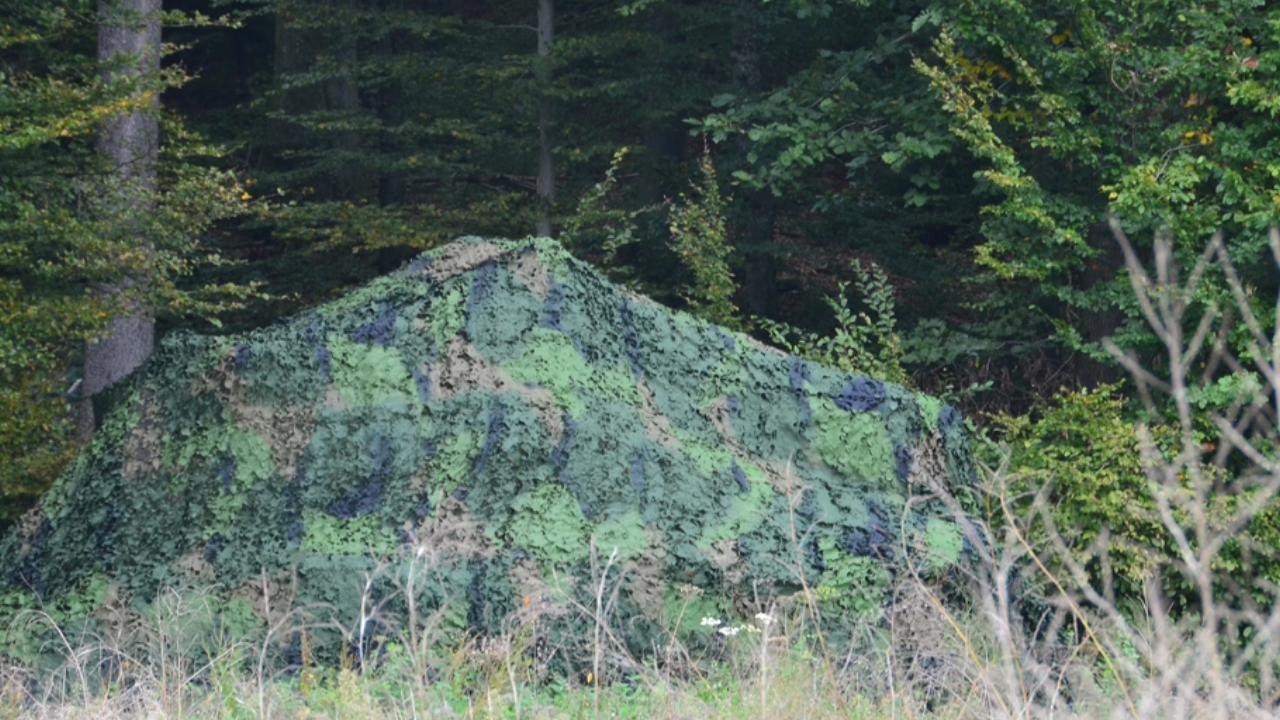
A net that only fools the eye stopped being camouflage somewhere in the nineties. Today, shelters get looked at in at least four ways at once: visually, in near-infrared, in thermal and by radar, from drones, aircraft and ground platforms. A shelter that matches its terrain in colour can still present the clearest thermal or radar return in the scene.
LANCO’s Multispectral Camouflage Net range are designed against all four spectra. It is offered in two configurations: a lightweight 2D net for quick, adaptable concealment and a coated 2.5D net that trades some weight in exchange for better thermal and radar attenuation.
2D multispectral camouflage net
The 2D net is the lighter and more flexible option. Its front and rear faces can carry different printed patterns and allow a single net to serve two backgrounds or to accommodate seasonal colour changes.
The net is loosely woven and held at least 60 cm away from the heat source to blur the shape behind it. Since thermal sensors identify targets by shape rather than temperature alone, disrupting that silhouette hides what's underneath.
The 2D net is specifically designed to defeat high-resolution radar sensors (like satellite and drone radar mapping) across several frequencies, while weakening radar signals across a broad 4 to 96 GHz range. It reduces heat signatures by about 75% (+/-5%), hides against night-vision gear and resists fire, mould, diesel and petrol. It won't stick to itself when unfolded in temperatures up to +70°C or degrade in freezing conditions down to -25°C.
2.5D multispectral camouflage net
The 2.5D net is intended for operations that demand higher levels of thermal and radar attenuation. The coated fabric is cut with precise patterns so it hangs with natural 3D depth. It's backed by a heavy-duty mesh net that takes all the physical weight and rough handling; this allows the special coating to focus on hiding the target. It works thanks to three key factors: the material itself, the shape of the cuts, and the pattern of colours.
This lightweight net provides multi-spectrum stealth: blocks radar signals (6-100 GHz), reduces heat signatures by up to 90%, and hides from night-vision sensors. Made of strong coated polyester weighing under 300 g/m², it resists heavy pulling, tearing and water buildup. It is mould-resistant, self-extinguishing in fire and operates in extreme temperatures from −40°C to +70°C.
Which camouflage net is for you?
The choice between the two nets follows the threat and the mission. If weight and reversible printing matter most, go for the 2D option. If you need the extra 10 points of thermal shielding and radar coverage across the full 6-100 GHz range, choose the 2.5D and carry the extra 50 g/m².
Both configurations are designed for rapid deployment, straightforward handling and repeated use in demanding conditions. For detailed technical data or assistance in choosing your preferred version, reach out.
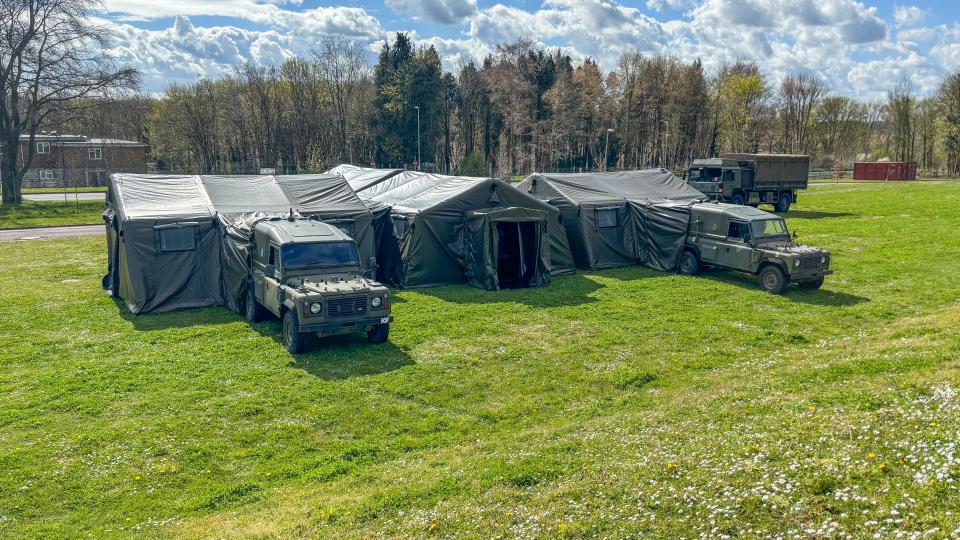


This article is written by:
LANCO Group GmbH.
Since 1953 the brand name LANCO stands for progress and investment in research. From the first camping tents, back in 1953, to rigid frame and inflatable shelters in the 1960s, decontamination systems in the 90s and rescue boats 20 years ago – the design team of LANCO has always been involved in the development of our products.
LANCO is widely recognized for its industry-leading production of fully integrated deployable solutions, including soft walled shelters, generators, heaters, air filtration devices and flexible tanks, currently used by defense agencies worldwide, as well as civilian